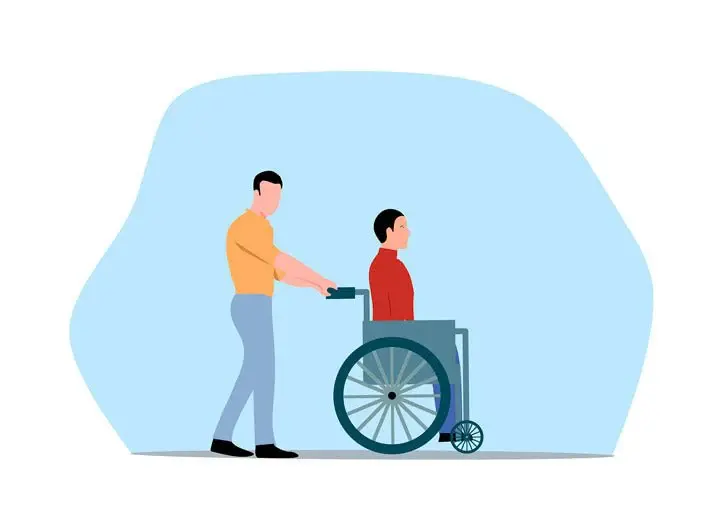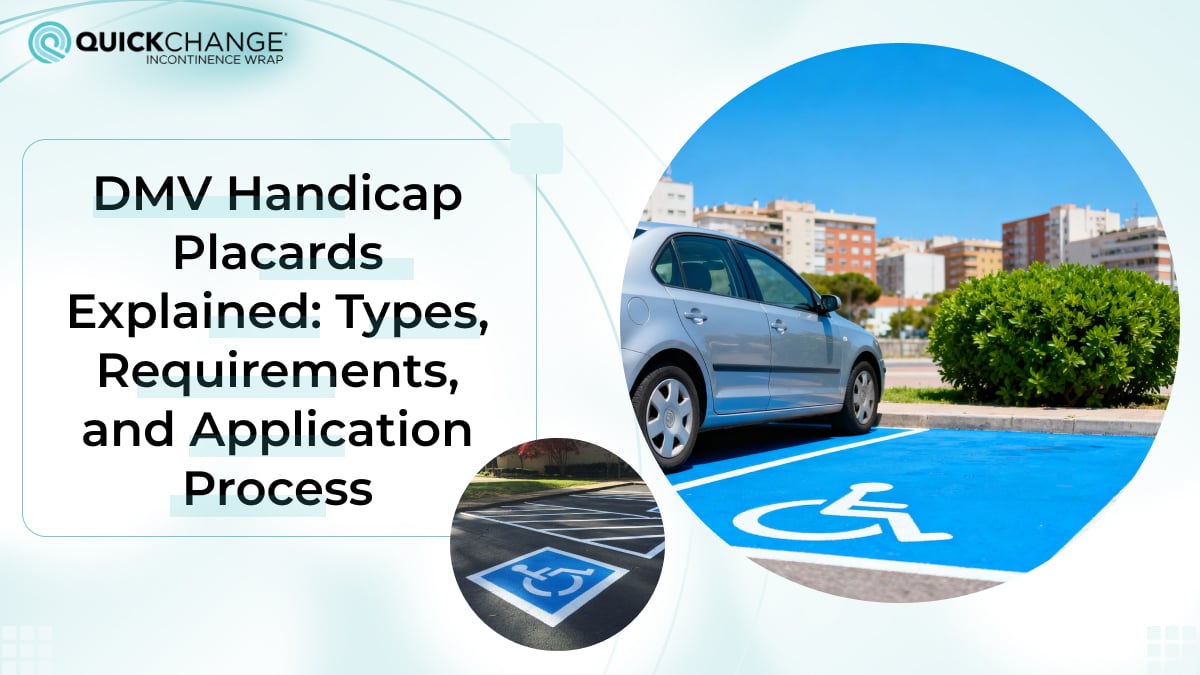
Planning for people with limited mobility is necessary on every trip, and convenient parking places may make life easier in general. Quick access to assigned parking will also provide more secure entry and exit of vehicles, which makes daily operations easier and more convenient.
The handicap parking permit (or disabled parking placard) is one of the most efficient methods of making sure that people are comfortable. They allow you to park in specially designated spaces in accordance with handicap parking rules. In this article, we will look at who is eligible for such permits, how to apply for them, and how to use different types of placards in the US.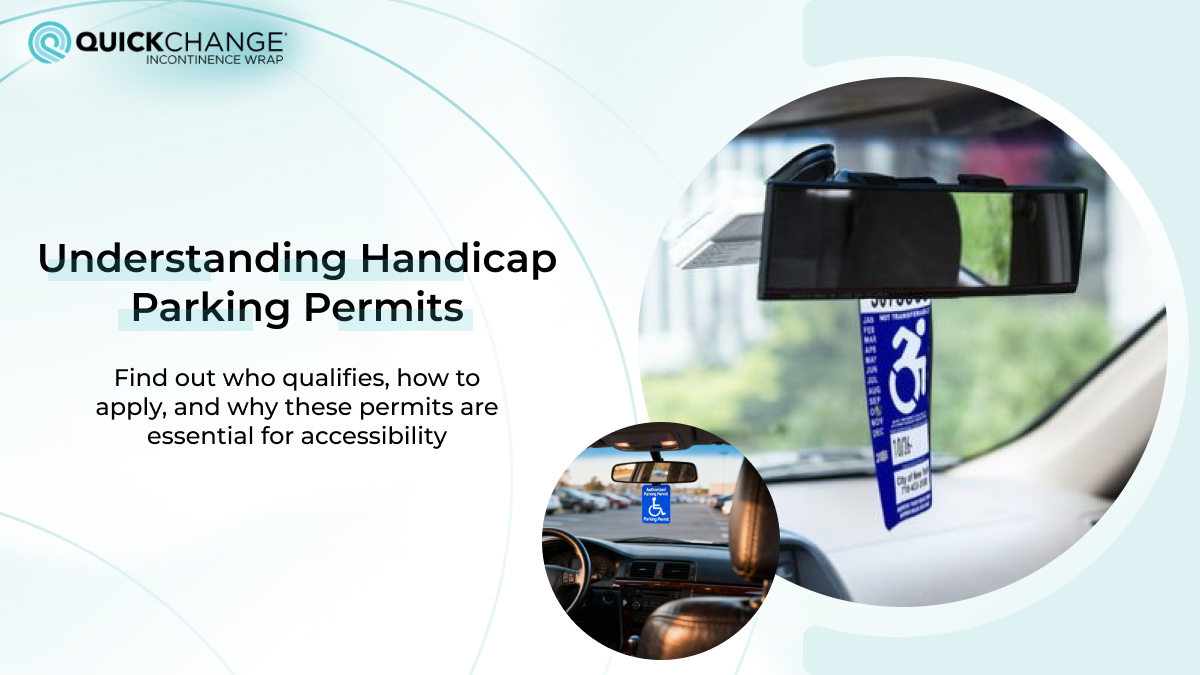
What is a Handicap Parking Permit?
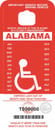
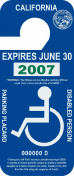
A handicap parking permit (or disabled parking placard) is a document and allowance that is issued to people with disabilities, which enables them to use special parking spaces without restrictions or prohibitions. This permit allows people to park in specially designated spaces located closer to various entrances, whether to buildings, supermarkets, shops, clinics, etc. It is part of the handicap parking rules system, which is regulated in each state.
There are a number of types, but the main ones are divided into temporary and permanent. Besides, it is possible for car owners to obtain a handicap license plate. Although it is worth noting that without a permit, parking in spaces reserved for people with disabilities can result in fines. For example, in California, this can be over $250, and even the impoundment of the car. As a result, this document is not only a privilege but also a necessity that makes life convenient and more accessible.
Who is Eligible to Get a Handicap Placard?
In order to obtain a handicap parking placard, you must have a certificate confirming medical limitations that may affect your ability to move around. The primary aim of the permit is to enable people who cannot move freely to reach their destination without any difficulties, spending less time on finding a parking place and gaining more comfort.
Main Medical Indications
Some of the key methods to qualify for a disabled parking permit are as follows:
-
Patients with mobility problems – difficulty walking long distances or standing for extended periods;
-
Persons who have been using wheelchairs, crutches, walkers, or other assistive devices;
-
Various cardiovascular and respiratory illnesses that could limit physical exercise;
-
Loss of limbs or parts thereof;
-
Musculoskeletal disorders that are chronic and can result in different forms of pain and exhaustion during movements.
Special Cases
In addition to the usual indications, some states offer the possibility of obtaining a handicap placard under specific circumstances, such as:
-
Pregnancy – if the condition is accompanied by various complications that may limit mobility, this qualifies for a handicap placard for pregnancy.
-
Autism – if it is associated with difficulty in movement and orientation in the environment, there is a handicap placard for autism.
How to Apply for a Handicap Placard
Getting a handicap placard and a disabled parking permit in the United States is not a simple task and requires careful attention to detail. It can also be different according to the state, but the overall order of steps is pretty much the same because it is necessary to pay attention to the instructions of DMV (Department of Motor Vehicles) or the appropriate authority in your state.
Adherence to the regulations will make the use of this document legal and also enable easy and comfortable movement of the drivers and passengers with limited ability. To know whether you are eligible to get this document, carry out the following steps:
Step 1: Check If You Meet the Criteria
To apply, you must ensure that you fit the criteria and health requirements, and this may include:
-
limited ability to walk without assistive devices;
-
utilization of different assistive equipment, including a wheelchair, crutches, and canes, etc.;
-
long-term heart or lung illness that could restrict your ability to move around;
-
sight issues or temporary disabilities.
According to the California form REG 195 (Application for Disabled Person Placard or Plates): This permit can only be provided to people who “have a substantial impairment of mobility due to the loss of function of one or more lower limbs, visual impairment, and other conditions that may interfere with movement.”.
Step 2: Prepare Medical Documentation
To verify and confirm the health status, it is necessary to consult a licensed specialist physician to assess and validate the condition, and then issue a certificate. This is essential for the local DMV to verify that you are indeed eligible for a permit.
Step 3: Complete and Submit Your Application
-
Fill out the corresponding form – it could be either a temporary or a permanent handicap placard;
-
Submit it to your local DMV or online, if available;
-
Upon confirmation, a disabled parking placard or handicap license plate will be issued to you.
Step 4: Renewal and Replacement
The validity of handicap placards is limited and requires renewal at the DMV. Permanent permits are normally renewed every two years, and temporary permits are exempted after the date indicated by a doctor. Renewal may be done online, through the mail, or in person at a DMV office.
In case your placard is lost, damaged, or stolen, you will have to order a replacement handicap placard. In the majority of states, it is a simple process – complete a small form on the DMV site and fill in the number of your previous permit.
Temporary and Permanent Permission
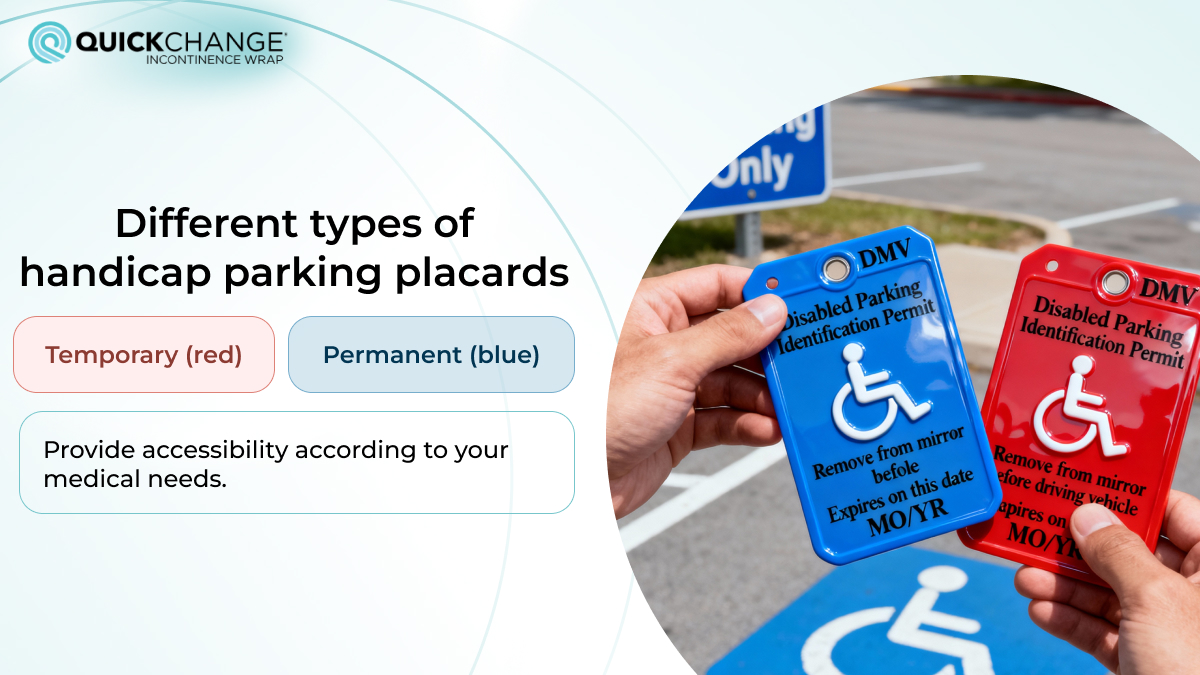
The disabled in the United States have various mobility requirements, and that is why not all handicap parking permits are the same. The knowledge of the differences will assist you in knowing the kind of permit you need and the way to abide by the handicapped parking regulations in your state, or even when driving to other states.
Below are the types and categories of handicap placards:
|
Type |
Who Qualifies |
Validity / Duration |
Key Features |
Cost / Notes |
|
|
|
Temporary Handicap Placard |
Individuals recovering from surgery, injuries, or pregnant women (handicap placard for pregnancy) |
Usually up to 6 months |
Can be used in any vehicle where the holder is a driver or passenger; conditions determined by the local DMV |
Varies by state; in CA, typically $6 |
|
|
Permanent Handicap Placard |
Individuals with permanent mobility limitations |
Usually valid for 1–2 years (depending on state) |
Provides long-term access to accessible parking spaces in any state; requires regular renewal |
In CA, usually free for permanent permits |
|
|
Red Placard |
For short-term disabilities (surgery, injury, pregnancy complications) |
Up to 6 months |
Temporary permit; must be returned or renewed after expiration |
Cost depends on the state |
|
|
Blue Placard |
For permanent disabilities |
Several years (up to 2 years in most states) |
Long-term access to designated parking, including interstate use |
Cost depends on the state |
|
|
Handicap License Plates |
Vehicle owners with permanent disabilities |
Same as standard registration (renewal required) |
Provides convenient access to designated parking; attached directly to the vehicle |
Rules and fees vary by state; in CA, permanent plates are usually free |



Terms of Use and Parking
To make the lives of people with disabilities as comfortable as possible, it is necessary to follow certain regulations when using a disabled parking placard to avoid facing a range of penalties. Knowing about these handicap parking laws may help to use the placard correctly, obey a number of rules, and show proper etiquette.
Where to Park with a Handicap Placard?
-
Placards provide an opportunity to park in areas specially designed and indicated in blue, i.e., have a blue line and blue rectangular sign, and have drawings that make one realize that it is an area for people who have limited mobility.
-
In various areas that usually prohibit parking, such as crosswalks, loading zones, and fire lanes, people with permits are also not allowed to park, as the permit only allows parking in the special areas mentioned above.
-
The exception is that in some states, people with disabilities can use time-restricted zones for a short time and park on yellow lines.
How to Display a Handicap Placard?
-
To display your placard, for example, so that a police officer can see that you are parked in the correct place, this permit must be clearly visible through the windshield when parked;
-
Handicap tag for car must also be in a visible location and must be clearly positioned in accordance with DMV regulations;
-
By following these rules and recommendations, you can help yourself avoid unnecessary fees and penalties.
What is the Validity Period and Renewal?
In the absence of a specified date provided by a doctor, temporary placards are normally issued for a maximum of 180 days or until a specified date. They are aimed at mobility restriction over a short period of time, including those related to injuries or pregnancy, and can not be extended indefinitely.
Permanent placards are those of long-term limitations, and they generally have a duration of 2 years, within which they can be regularly renewed. The duration of validity and conditions of renewals can also be different across states, and thus, it is never a bad idea to inquire with your local DMV.
Check the status of your placard or order a replacement one in case it is lost or damaged through the services of your state DMV. Using California as an example, the status can be checked online in DMV Virtual Office, and the form REG 195 may be submitted to replace it.
Practical Tips for Men With Limited Mobility
For men with mobility limitations, comfort and hygiene in their daily lives are also significant aspects of quality of life. The process of lifting and moving can be both stressful to patients and caregivers, and the constant exposure to moisture can result in skin irritation or discomfort. This is why it is essential to use practical and innovative care products. Such innovative solutions as QuickChange Wraps contribute to the simplification of hygiene rituals – one-person changes can be made in a short time with minimal contact, which contributes to the safety and comfort of both home and care facilities.
Discover how QuickChange simplifies incontinence care – order a 10-Count Trial Pack for home use or request a Professional-Use Sample Pack for clinical settings.
Conclusion
Having a handicap parking permit can make the life of people with limited mobility easier as they can move and park without any problems and have fewer physical stresses in their daily life. It is also important to remember to follow the rules for applying for a handicap placard and to comply with various rules of use. Furthermore, it is also important to regularly revise your handicap placard.
For individuals with limited mobility who require additional support, such solutions, as QuickChange Wraps, can also facilitate daily care and maintain maximum comfort by allowing quick and safe changes, thereby reducing the risk of various types of irritation or infection. Thus, for both people with limited mobility and caregivers, the use of such innovative solutions ensures and makes everyday life safe and comfortable.
This content is for informational purposes only and is not intended as a substitute for professional medical advice, diagnosis, or treatment. Always seek the advice of your physician or other qualified health provider with any questions you may have regarding a medical condition. Never disregard professional medical advice or delay seeking it because of something you have read or seen here.

FAQ
How do I apply for a handicap placard or disabled parking permit?
First, you have to provide an application to your local DMV, then fill out the disabled person placard application form, and provide medical documentation as verification and legitimacy. In the case of most states, it is possible to do so on the internet, and in some cases, it can be done through mail or face-to-face at the nearest DMV office.
What disabilities qualify for handicap parking?
Handicap parking permits can be provided to persons with limited mobility, loss of limbs, arthritis, heart and lung issues, and other neurological conditions. Pregnancy or autism can also be taken into consideration in some states.
What is the difference between a red and a blue placard?
The red handicap placards are temporary, but they are usually used to cover temporary sickness, like post-surgery or pregnancy. Meanwhile, individuals with chronic or long-term mobility impairment have blue handicap placards that are permanent.
What should I do if my handicap placard is lost or stolen?
In case you misplaced or lost your placard, then you will be required to call your local DMV to enable you to receive a replacement handicap placard. You will have to fill out the proper form and give the number or the details of the previous permit.
Where do I display my handicap placard in the car?
The placard must be fixed on the rearview mirror or dashboard in the manner that they can see it when they are outside. During the time of driving, the placard should be removed to ensure that the road is visible.
Do handicap placards expire?
Yes. The temporary placards have a life span of 6 months, and the permanent placards have a life span of 2 years. Once the expiration date is reached, you have to renew your handicap placard at the DMV.
What is the penalty for misuse of a handicap placard?
Abuse or relocation of a disabled parking placard to another individual would be subject to a fine of between $250 to 1000 and a suspension of the permit. In California, this is regulated by Vehicle Code §4461.