Catheter-Associated Urinary Tract Infections & Sepsis
Catheter-associated urinary tract infections (CAUTIs) are among the most prevalent healthcare-associated infections, accounting for up to 40% of hospital-acquired infections.
Posts about:
Catheter-associated urinary tract infections (CAUTIs) are among the most prevalent healthcare-associated infections, accounting for up to 40% of hospital-acquired infections.
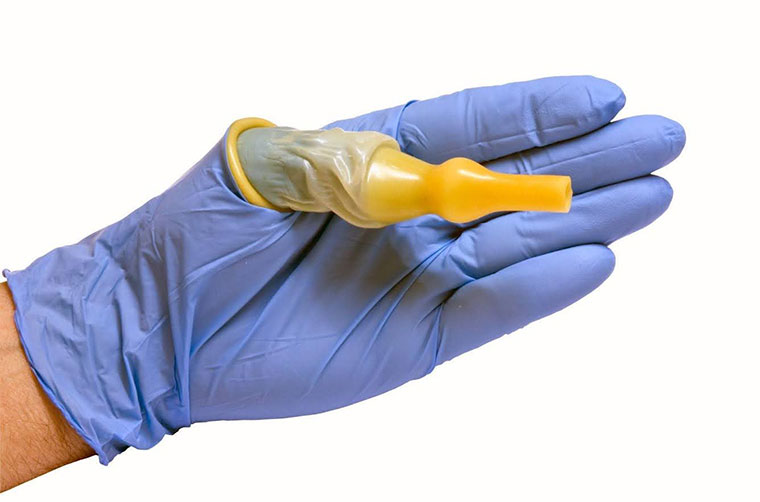
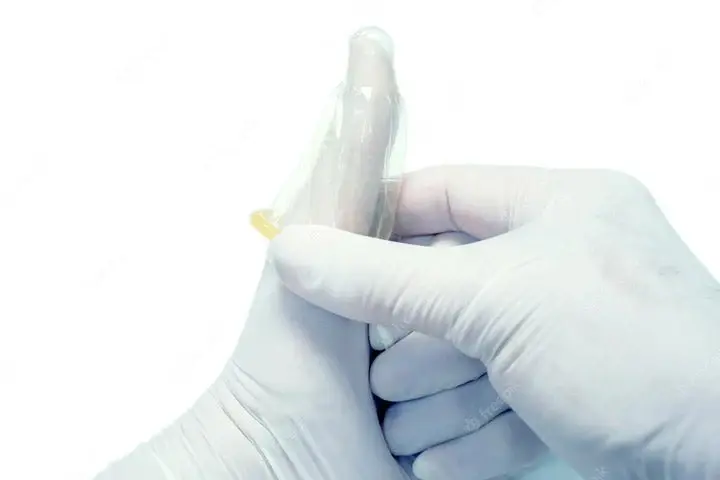
Urinary incontinence affects a significant percentage of men, particularly those with neurological disorders, mobility limitations, or post-surgical complications. It can lead to embarrassment, reduced quality of life, and challenges in maintaining hygiene. To manage urine leakage, some men turn to external devices like condom catheters, which fit over the penis and direct urine into a collection bag. Unlike indwelling catheters that are inserted into the bladder, condom catheters are considered less invasive and are often recommended for long-term use in bedridden or incontinent male patients.
Urethral trauma in pediatric patients is a significant yet often overlooked concern in urological care. Although urethral injuries account for a small percentage of overall pediatric trauma cases, they can lead to long-term complications if not managed properly. Up to 25% of hospitalized patients undergo routine urethral catheterization, and while the incidence of iatrogenic urethral trauma is approximately 0.3%, its impact is substantial. Traumatic urethral catheterization can lead to acute complications such as urinary retention, bleeding, and urosepsis, as well as long-term risks like urethral stricture disease, requiring frequent dilation or reconstructive procedures.
Penile pressure ulcers are painful sores that develop on the penis due to prolonged pressure on the skin and underlying tissues. These ulcers can occur when there is continuous pressure without relief, leading to poor blood circulation and tissue damage. Male patients with spinal cord disorders (SCD) are at a higher risk because they may have limited mobility, leading to unrelieved pressure on sensitive areas.
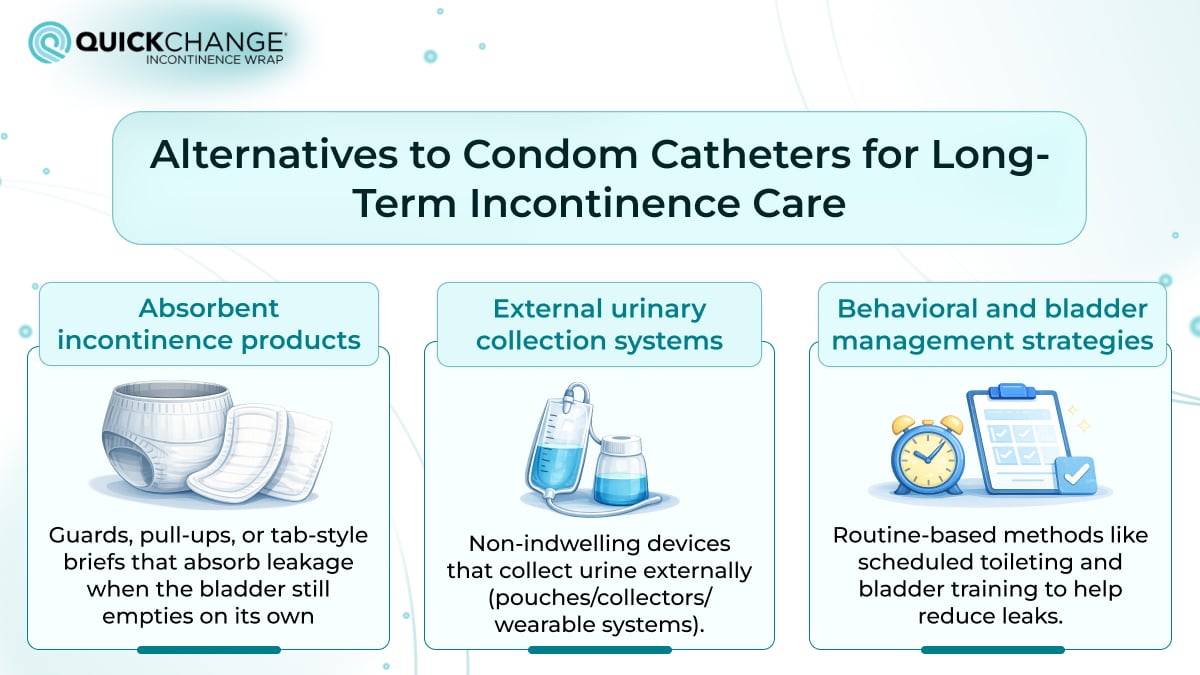
When you have an overactive bladder or incontinence or other problems with urination, condom catheters for men are an excellent solution. These medical devices can also be useful when you don't want to wear a diaper and are unable to use the restroom for other reasons. They also offer many benefits, like being less likely to result in a UTI than indwelling catheters. Of course, this solution has shortcomings that you need to be aware of as well. In this article, we’ll look at all the nuances of using condom catheters, offer advice, and show alternatives.
Urinary incontinence affects millions worldwide, causing embarrassment, social isolation, and low self-confidence. Condom catheters offer a discreet and effective solution for men, providing comfort, independence, and control. This comprehensive guide explores the different types of condom catheters, including traditional, self-adhering, and reusable options, to help you choose the best one for your needs, lifestyle, and medical requirements.
Urinary incontinence is a widespread problem that significantly affects a man's quality of life, which is why external catheters are so important. However, what is more important is how to choose the right one, what to consider when choosing, and which brands are the leading ones. In our article, we will help you with this and ensure your comfort, durability, and effective protection against leakage.