Urinary Incontinence and Type 1 Diabetes: A Deeper Look at the Connection
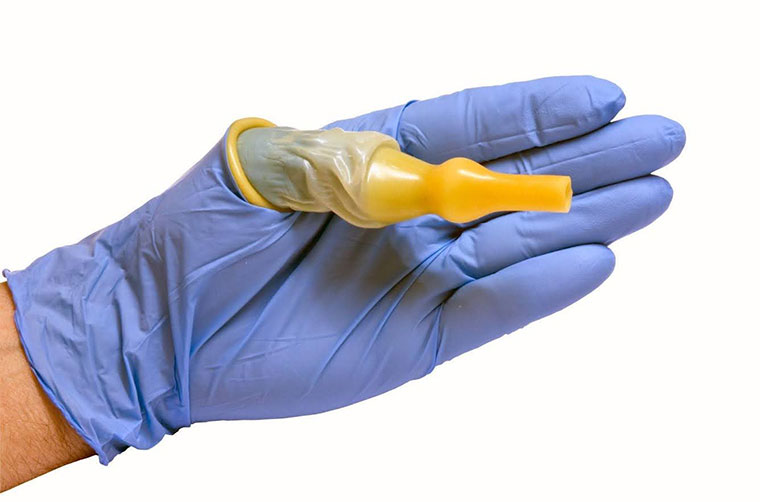
Urinary incontinence (UI), defined as the involuntary loss of urine, affects a significant number of men, with prevalence ranging from 11% in those aged 60–64 to over 30% in older age groups. Despite its high impact on quality of life, only a minority of men seek treatment, and many report persistent frustration with leakage despite intervention.¹ Type 1 diabetes mellitus (T1DM), a chronic autoimmune condition primarily affecting younger individuals, has been increasingly linked to urologic complications such as UI.